









Understanding Masque Protection in Modern Health Settings
In an era marked by heightened awareness of health and safety, especially in laboratory and clinical environments, the concept of masque protection has become increasingly vital. Masques serve as a crucial barrier against pathogens, chemicals, and environmental pollutants, making them essential in protecting both personnel and the integrity of scientific work. This article will delve into what masque protection entails, its importance in laboratory settings, the various types of masques available, and best practices for implementation.
What is Masque Protection?
Masque protection refers to the use of specialized coverings designed to shield the wearer’s respiratory system and face from harmful substances. This protective gear can range from simple surgical masks to more sophisticated respirators that filter out airborne particles. The primary goal is to minimize exposure to infectious agents, chemicals, and other environmental hazards that can pose a risk to health and safety.
Importance of Masque Protection in Laboratories
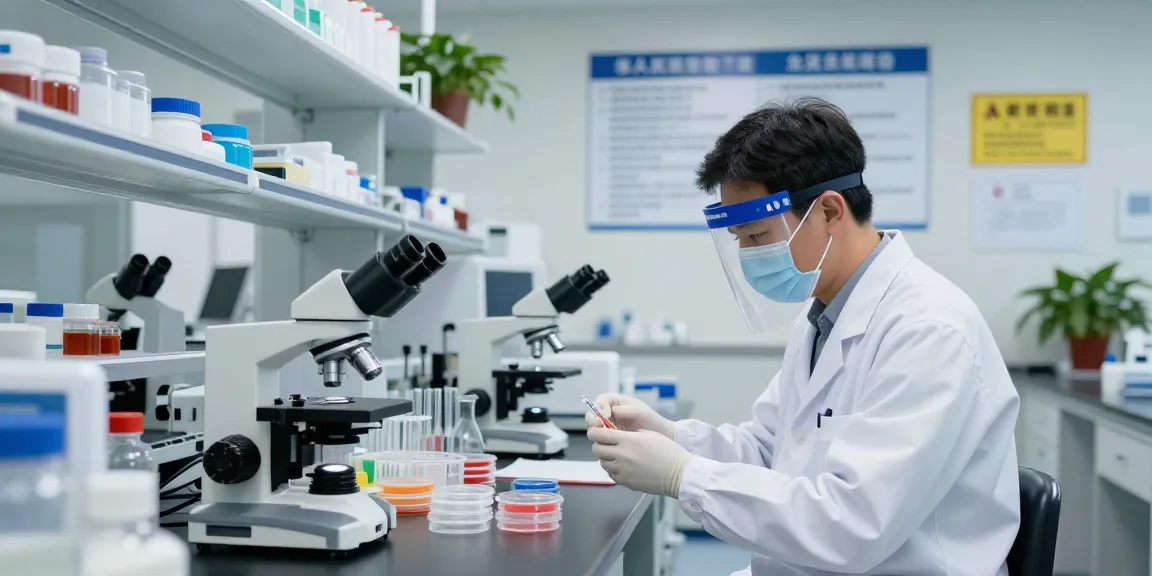
In laboratory settings, the stakes are particularly high. Researchers and lab technicians are often exposed to a variety of hazardous substances, including biological samples that may contain infectious agents. Masque protection is crucial in preventing the inhalation of harmful particles that can lead to serious health complications. Moreover, it helps maintain the integrity of experimental results by preventing contamination.
Types of Masques and Their Applications
There are several types of masques available, each serving distinct purposes:
- Surgical Masks: These disposable masks are commonly used in healthcare settings to prevent the spread of bacteria and viruses during surgical procedures.
- N95 Respirators: Designed to filter out at least 95% of airborne particles, these masks are essential in environments where exposure to airborne pathogens is a significant risk.
- Powered Air-Purifying Respirators (PAPRs): These are ideal for situations where maximum protection is needed; they use a battery-powered blower to provide a continuous flow of filtered air.
- Face Shields: While not a mask per se, face shields provide an additional layer of protection, particularly for the eyes and face, complementing the use of masques.
Common Challenges in Implementation
Identifying Misconceptions About Masque Protection
Despite the established importance of masque protection, there are prevalent misconceptions that can hinder effective implementation. One common misunderstanding is that all masques offer the same level of protection. In reality, the effectiveness of a masque depends on its design, fit, and filtration capabilities. Understanding these differences is essential for ensuring optimal safety.
Overcoming Compliance Issues in Research Facilities
Compliance with safety protocols is critical in any laboratory setting. However, enforcing masque usage can be challenging, particularly in environments where staff might resist additional protective measures. To overcome this, it’s essential to foster a culture of safety and emphasize the shared responsibility of maintaining a safe work environment.
Addressing Resistance Among Staff
Resistance to using protective gear can stem from discomfort or a lack of understanding of its importance. Training and education are critical in addressing these concerns. Providing evidence-based information on the risks associated with inadequate protection can help reinforce the necessity of masque protection among staff.
Best Practices for Using Masque Protection
Choosing the Right Masque for Specific Tasks
Selecting the appropriate masque type is essential for ensuring maximum protection. Each task may involve different exposure risks, thus requiring different levels of protection. For example, handling hazardous chemicals might necessitate a higher-grade respirator compared to routine tasks that only require a surgical mask.
Training Staff on Proper Usage
Proper training on how to wear and maintain masques is vital. This includes ensuring a secure fit, understanding when to replace a mask, and recognizing the signs of mask failure. Regular training sessions can help reinforce best practices and keep safety at the forefront of laboratory operations.
Creating a Culture of Safety in the Workplace
Establishing a culture of safety within a laboratory is fundamental to the successful implementation of masque protection. This involves encouraging open discussions about safety practices, celebrating compliance, and addressing any compliance issues transparently. When safety becomes a shared value, staff are more likely to adopt and adhere to protective measures.
Real-World Applications and Case Studies
Successful Implementation of Masque Protection
Several laboratories have successfully implemented masque protection protocols, significantly reducing incidents of contamination and improving overall safety. By analyzing case studies, we can glean insights into effective strategies that can be adapted to various research environments.
Case Study: Laboratory Safety Improvements
One notable case involved a research facility that faced recurring contamination issues during experiments. After instituting strict masque protocols, including training and compliance monitoring, the facility reported a 75% reduction in contamination incidents within six months. This illustrates the profound impact that proper masque utilization can have on laboratory outcomes.
Feedback from Health Professionals on Masque Effectiveness
Health professionals regularly emphasize the importance of masque protection in their practice. Feedback from a range of healthcare workers reveals that those who are consistently compliant with masque protocols report fewer instances of respiratory illnesses and infections. This reinforces the value of incorporating comprehensive masque protection strategies across health and safety settings.
Future Trends in Masque Protection
Emerging Technologies in Personal Protective Equipment
The landscape of personal protective equipment (PPE) is continually evolving, with emerging technologies enhancing the effectiveness of masques. Innovations such as smart masks equipped with sensors to monitor air quality and compliance are on the rise, paving the way for more tailored protection strategies in the future.
Public Health Policy Changes and Their Impact
As public health policies evolve, so do the standards for masque protection. Increased focus on airborne diseases and workplace safety is leading to more stringent regulations regarding masque usage in various industries, including laboratories and healthcare settings.
Predictions for Health and Safety Standards in 2026
By 2026, it is anticipated that health and safety standards will continue to tighten, particularly in light of global health events that have highlighted the vulnerabilities within public health systems. We can expect more comprehensive training requirements and enhanced PPE standards to ensure that all personnel are adequately protected.
How Does Masque Protection Impact Public Perception?
The perception of masque protection is crucial in fostering compliance and support from the public. As awareness grows about the importance of masks in preventing disease transmission, it is likely that communities will become more vigilant in adhering to safety practices, ultimately promoting a healthier society overall.